

Most content marketing programs generate traffic that does not convert. The blog gets visitors. The leads do not follow. The problem is almost always the same: the content is built around informational keywords that attract curious people, not buyer intent keywords seo strategy should prioritize to reach people who are actually ready to take action.
Buyer intent keywords are the search terms that signal a person is past the research phase and moving toward a decision. They carry commercial or transactional signals in the phrasing itself. When you rank for these terms and build the right content around them, the traffic you earn is significantly more likely to become a lead or a sale.
This post covers how to identify buyer intent keywords, how to evaluate and prioritize them, and how to build content that actually converts the traffic they send.
Why Most Content Strategies Miss the Bottom of the Funnel
Here is the honest version of what happens at most businesses investing in content marketing. The team produces educational content because it is easier to write, has clearer search demand, and generates more raw traffic. The blog fills up with guides and explainers. Traffic grows. Pipeline does not.
The issue is that top-of-funnel content does its job and then stops. It attracts people who are learning, not buying. Without content built around the terms those same people use when they are further along in their decision, the business captures awareness but loses the conversion to a competitor whose content actually speaks to purchase intent.

We have seen this pattern across dozens of content marketing programs, from SaaS companies in Austin to professional services firms in New York. The businesses that generate qualified leads from organic search consistently have content at every stage of the funnel, not just the awareness layer. The ones that only publish educational content are feeding the top of the pipeline without ever closing it.
The structural fix is not producing more content. It is building content for the keywords that reflect where buyers are in their process when they are closest to a decision.
Buyer Intent Keywords SEO: The Four Intent Categories
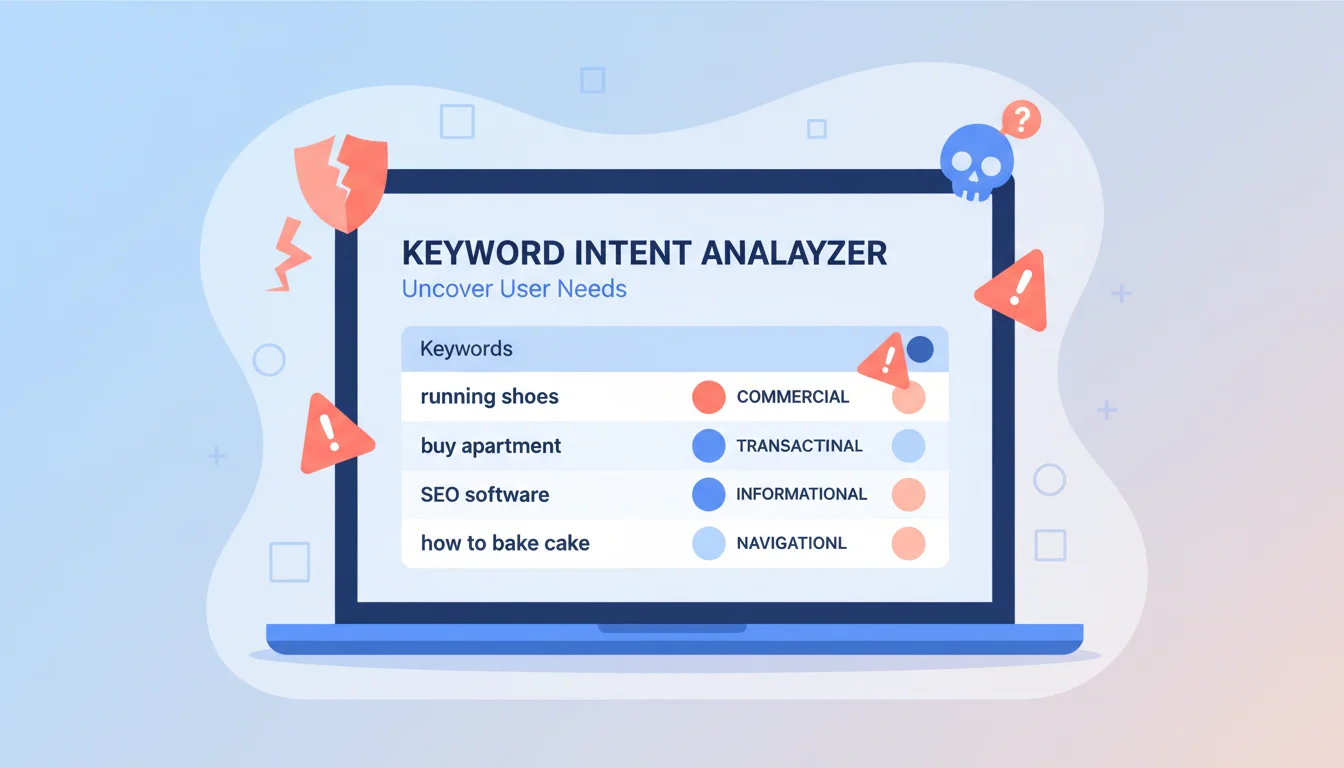
Understanding the full intent spectrum helps identify where buyer intent keywords sit relative to other search terms. There are four categories, each reflecting a different stage in the decision process.

Informational intent
Informational intent is research-mode searching. “What is content marketing,” “how does link building work,” “types of SEO.” These terms attract learners, not buyers. They are worth targeting for awareness and brand building, but they rarely generate direct conversions.
Navigational intent
Navigational intent is brand or site searching. “Idea Digital SEO,” “Ahrefs login,” “Google Search Console.” These are used by people who already know what they are looking for. Rank for your own brand terms. You will not outrank the brand itself for competitors’ navigational queries.
Commercial intent
Commercial intent is evaluation-mode searching. “Best SEO agency for SaaS,” “SEO services vs in-house,” “Ahrefs vs Semrush.” These searches happen when a buyer is actively comparing options. They have moved beyond learning and are assessing specific providers or solutions. This is where commercial content belongs: comparison pages, case studies, and service-specific guides that position your offering in the evaluation frame.
Transactional intent
Transactional intent is decision-mode searching. “Hire SEO agency,” “SEO audit service pricing,” “get a free SEO audit.” The searcher is ready to act. This is where service pages, landing pages, and conversion-focused offers live. Ranking for transactional terms means your page appears at the exact moment someone is ready to buy.
Commercial and transactional intent together form the buyer intent category. These are the terms with the clearest signal that the searcher is actively moving toward a purchase decision.
How to Identify Buyer Intent Keywords in Your Category
Finding buyer intent keywords requires a different filtering approach than standard keyword research. You are not looking for high volume. You are looking for intent signals in the phrasing itself.

Intent Signal Qualifiers to Look For
Certain words and phrase structures appear consistently in buyer intent searches. Use these as filters when reviewing keyword lists:
- Comparison qualifiers: “vs,” “compared to,” “alternatives to,” “best [product/service] for”
- Purchase qualifiers: “hire,” “buy,” “pricing,” “cost,” “quote,” “get a,” “agency for”
- Evaluation qualifiers: “review,” “reviews,” “worth it,” “is [X] good for,” “pros and cons”
- Urgency qualifiers: “near me,” “same day,” “emergency,” “fast”
- Specificity qualifiers: Named brands, model numbers, service area + service type combinations
A search like “best eCommerce SEO agency for Shopify stores” contains multiple intent signals: “best” signals evaluation, “eCommerce SEO agency” signals commercial intent, and “for Shopify stores” signals the searcher knows exactly what they need. This is a buyer intent search. A search like “what is eCommerce SEO” is not.
Using Keyword Research Tools to Surface Buyer Intent Terms
In Ahrefs or Semrush, use keyword difficulty filters to focus on terms your site can realistically rank for, then filter the keyword list by applying intent signal qualifiers as filters. Most tools allow you to filter by keyword modifier, which lets you search for terms containing “vs,” “pricing,” “hire,” and other buyer-intent signals across a large keyword dataset.
Also mine your competitors’ ranking pages. Use a competitor keyword analysis to pull the commercial and service-specific pages that are generating their organic traffic. The pages a competitor has built for evaluation and conversion-stage searches are a direct map of the buyer intent terms worth targeting in your category.
The keyword-research-guide covers the full research and prioritization process in detail, including how to connect buyer intent keyword identification to a content plan that addresses the full funnel.
What Content Works for Buyer Intent Keywords
The content format has to match the intent. A blog post written like an educational guide will not convert a searcher with transactional intent, even if it ranks for the right keyword. The format signals to the searcher whether the page is built to serve their current need.

Commercial Intent Content
Comparison pages address the “X vs Y” and “alternatives to X” searches directly. A personal injury law firm could build a comparison page evaluating different types of legal representation for specific case types. An eCommerce SEO agency could build a comparison of full-service SEO versus in-house SEO for Shopify brands. These pages rank for evaluation searches and convert visitors who are comparing options into leads.
Case studies and results pages address “does this work” and “show me proof” intent. A searcher evaluating whether to hire an SEO agency wants evidence that the agency produces results. Case studies targeting specific business types and situations rank for evaluation searches and convert through demonstrated credibility.
Service and specialty landing pages target specific buyer segments. “eCommerce SEO for Shopify brands” and “local SEO for law firms in Chicago” are buyer intent terms that warrant dedicated pages. These pages are built to convert a specific searcher type and rank for the high-specificity terms that signal strong purchase intent.
Transactional Intent Content
Pricing pages target “how much does X cost” and “[service] pricing” searches directly. Even when prices cannot be specified precisely, a pricing page that explains how pricing works, what factors affect cost, and what a typical engagement looks like serves the searcher’s intent and positions the business transparently.
Free audit and consultation offer pages target “get a free X” and “free [service] audit” searches. These pages need a clear, low-friction offer and a form that captures the lead. The content should explain exactly what the prospect gets, remove uncertainty about the ask, and move directly to conversion.
Building this content into a coherent system that connects awareness content to buyer intent content through internal links and strategic calls to action is what a content-strategy-for-seo approach actually looks like in practice.
Common Mistakes When Targeting Buyer Intent Keywords
Building conversion content before awareness content exists.
A landing page targeting “hire local SEO agency Dallas” is hard to convert from if the prospect has never heard of the agency and has no reason to trust it yet. Buyer intent content works best when it sits within a broader content ecosystem that has already built awareness and credibility. The full funnel needs to exist before the bottom of it can perform.
Targeting transactional keywords with educational content.
A blog post titled “Should You Hire an SEO Agency?” will not convert someone searching “hire SEO agency near me.” The intent mismatch means the searcher does not find what they came for. Transactional keyword targets need transactional content formats: landing pages, offer pages, and direct conversion paths.
Ignoring the page after it ranks.
A buyer intent page that ranks but has a weak offer, unclear calls to action, or a slow mobile load time will generate traffic and zero leads. The technical and conversion performance of buyer intent pages matters more than for informational content because the traffic has a direct conversion opportunity attached to it. Treat these pages like sales assets, not blog posts.
Not tracking buyer intent pages separately in analytics.
If you are not segmenting organic traffic by intent category, you cannot measure whether your buyer intent content is actually generating leads. Set up goal tracking for conversion events on high-intent pages and attribute leads to the organic entry points that produced them. This data tells you which buyer intent terms are driving revenue, not just clicks.
Using keyword volume as the only prioritization filter.
Buyer intent keywords often have lower search volume than their informational equivalents. “Best eCommerce SEO agency for WooCommerce brands” may have 100 monthly searches versus 5,000 for “eCommerce SEO.” But the conversion rate from the specific intent search is likely 10 to 20 times higher. Prioritize by conversion potential, not by raw volume.
FAQ
What are buyer intent keywords in SEO?
Buyer intent keywords are search terms that signal the searcher is actively evaluating options or ready to make a purchase decision. They contain intent qualifiers like “best,” “hire,” “pricing,” “vs,” or specific service and location combinations. They convert at significantly higher rates than informational keywords because the searcher is already past the research phase.
How do I find buyer intent keywords for my business?
Start with your core service or product categories and append intent signal qualifiers: pricing, hire, best, alternatives, reviews. Use keyword tools to pull commercial and transactional intent filters. Analyze competitor service pages and conversion-focused landing pages to identify the specific terms they are ranking for. Google’s People Also Ask and related searches also surface evaluation-stage questions worth targeting.
How is buyer intent content different from a standard blog post?
Buyer intent content is built to convert, not just inform. It addresses evaluation or decision-stage needs, often through comparisons, case studies, pricing breakdowns, or service landing pages with clear conversion paths. The format, the call to action, and the objective are fundamentally different from an educational blog post even when the topic is closely related.
Can small businesses rank for buyer intent keywords?
Yes, particularly for specific, long-tail buyer intent terms in their geographic market or niche. “Best family law attorney Dallas free consultation” is a buyer intent term with relatively manageable competition compared to a generic head term. Specificity reduces competition and increases the likelihood that the searcher is in your exact target market.
How long does it take for buyer intent content to generate leads?
For ranking to occur, typically three to six months depending on competition and domain authority. Once ranked, conversion depends on the quality of the page and the offer. Businesses that build strong buyer intent pages and track conversions properly typically see attributable lead generation within 60 to 90 days of the page reaching a top-five position.
The Bottom Line
Buyer intent keywords seo strategy is the layer of your content program that connects rankings to revenue. Top-of-funnel content builds awareness. Buyer intent content closes the loop. Without it, the investment in content marketing produces visibility but not pipeline.
The businesses that build comprehensive buyer intent content and connect it to clear conversion paths are the ones that can attribute organic search directly to revenue. That attribution is what separates a content program that looks good in traffic reports from one that actually builds the business.
Want to know which buyer intent keywords your competitors are ranking for that you are not?
If you want a strategy that actually fits your business, book a free strategy call. We will walk you through your buyer intent keyword gaps and show you exactly what content would close them. Visit our Content Marketing Page and On-Page SEO Page to learn more about how we approach this work.